
When Tools Change, So Should We
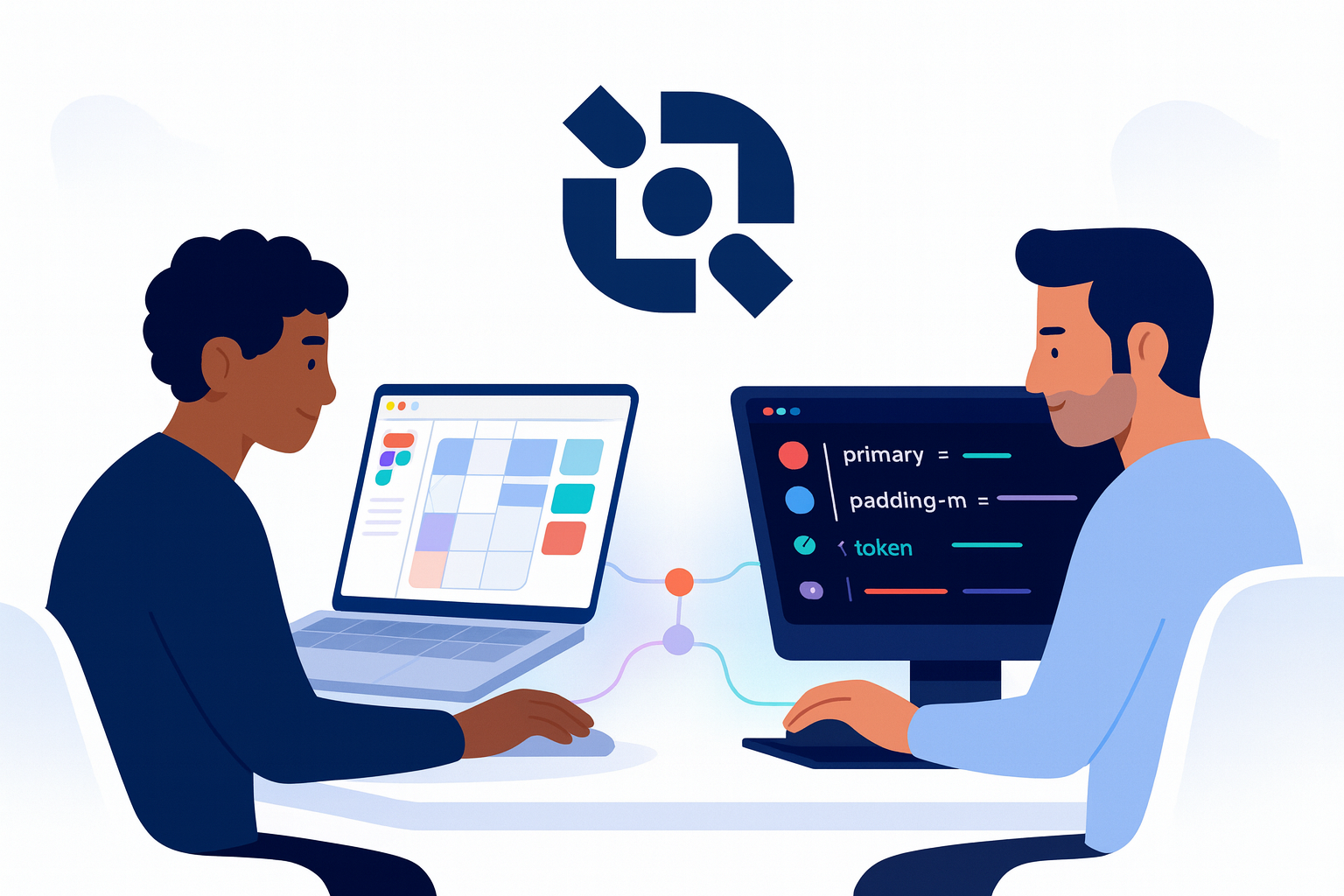
At OnePropeller, we build digital products across platforms, frameworks, and industries – and when a tool like Figma evolves, so do we.
Figma’s recent Config 2025 announcements introduced more than just new features – they signaled a shift in how teams can work together from design to deployment. With the launch of Figma Sites, enhanced grid layouts, and deeper improvements in developer handoff, the gap between design and code is closing faster than ever.
But for us, the most exciting part isn’t just what Figma released – it’s what it made possible.
From visuals to live MVPs – Faster
Figma Sites introduces something designers have been wanting for years: the ability to go from layout to live website – inside the same tool.
And while it’s still early days, the promise is clear. We can move faster on early-stage projects, mock up real interactions, and test MVP ideas without rebuilding everything in Webflow, Framer, or custom code – at least not right away.
For our team, that doesn’t mean skipping development. It means creating smarter starting points – where design isn’t just visual, but structural and interactive, ready for collaboration.
Cross-team alignment, Not just handoff
With updates like grid-based layouts inside auto layout, improved Dev Mode, and stronger support for variables and tokens, Figma’s design structure is starting to align much more closely with how developers think about implementation. Layouts are more semantic. Spacing is more systematic. And components behave in ways that are easier to translate into clean code.
Figma is no longer just a canvas for visual ideas – it’s becoming an interface for structured conversation between design and development.
That’s why we’re not just updating how we design. We’re bringing product designers, UX designers, developers, product managers, and engineering managers into the same room to rethink how we work together across the product lifecycle.
Our goal: define a leaner, clearer way of working across the product lifecycle. One where naming conventions, layout structures, and documentation are aligned early – so that by the time a design is ready for implementation, it’s already 80% understood.
This isn’t about adding more to the process. It’s about removing unnecessary friction.
Technology moves fast – So should we
Every company says they want to be agile. But agility doesn’t just mean building fast – it means adapting fast when your tools change, your customers evolve, or your team discovers a better way.
At OnePropeller, we see tools like Figma not just as productivity boosters, but as opportunities to re-evaluate what “done” means – and how early collaboration can unlock better outcomes for both clients and teams.
We are committed to staying curious, being intentional, and testing new ways of delivering quality work with speed and clarity.
The bottom line
Config 2025 didn’t just give us new tools – it gave us a moment to pause, realign, and move forward better.
We’re not eliminating handoff – we’re designing better collaboration.
